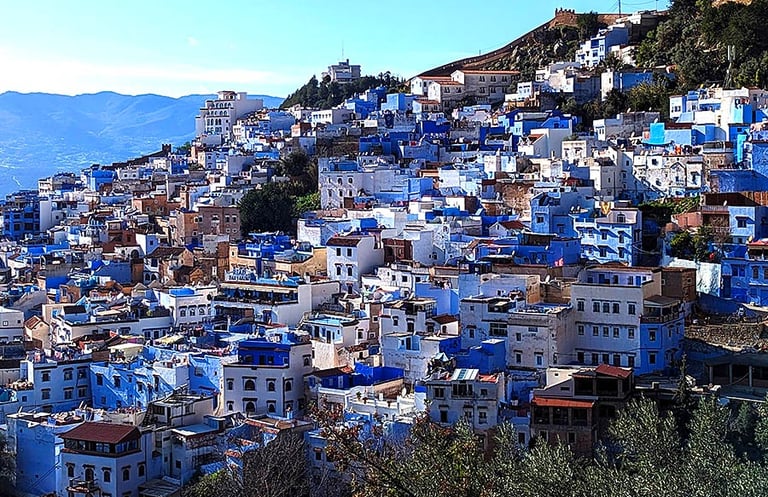



Capture Morocco's Beauty
Join me on an unforgettable adventure through Morocco, where breathtaking landscapes meet photography. Discover hidden gems while learning photography techniques and capture the essence of this beautiful country.
If you're passionate about travel and photography, you've come to the right place. I invite you to visit my blog to find ideas and inspiration for your next trip to Morocco.
Embark on a unique photography adventure.
Combine your love of travel with photography
Let me offer you a tailor-made experience and discover Morocco through photography with the best travel agency specializing in travel and photography enthusiasts: My Travel Tours Morocco.
Unlock the true essence of Morocco with our expert guidance – no more endless hours lost on the internet! Contact us today and let our seasoned professionals curate your perfect Moroccan adventure. Embrace hassle-free planning, as we draw from our profound knowledge of the country’s every nook and cranny to design an itinerary that surpasses your expectations. Don’t miss out on the wonders that await you – reach out to us now and embark on a journey of a lifetime, without the exhaustive online search!
Incredible Experience -
Discover Morocco through photography with expert guidance and breathtaking landscapes

Photography Tours Morocco - Explore Morocco Through Photography
Join me for unforgettable photography adventures in Morocco, where stunning landscapes meet rich culture.
Capture the beauty of this enchanting country while enhancing your photography skills.


15 + Passionate Travelers
Travel and Capture
Combine your love for travel with photography, creating lasting memories in Morocco's breathtaking locations.
Photography Courses Offered
Join our immersive photography courses while exploring Morocco's stunning landscapes and vibrant culture.
Guided Tours Available
Experience Morocco with expert guidance, capturing unforgettable moments and stunning scenery along the way.
Explore the beauty of Morocco through photography classes taught by a professional photographer and guided tours tailored to passionate travelers.